
Article: Is Vitamin D the Same as D3: Truth About Bone Health

Is Vitamin D the Same as D3: Truth About Bone Health
Navigating the labyrinth of nutritional supplements can feel overwhelming, especially when similar-sounding terms create confusion. For Canadian women over 40 seeking to fortify their skeletal framework and maintain vitality, understanding the distinction between vitamin D and vitamin D3 becomes paramount. This comprehensive exploration unravels the biochemical nuances while providing actionable insights for optimizing bone health through intelligent supplementation choices.
Understanding the Vitamin D Family: Not All Forms Are Created Equal
The term "vitamin D" functions as an umbrella designation encompassing multiple chemical variants, primarily vitamin D2 (ergocalciferol) and vitamin D3 (cholecalciferol). While both contribute to maintaining adequate circulating levels of this essential nutrient, their origins and bioavailability differ substantially. Vitamin D2 derives predominantly from plant sources and fortified foods, whereas vitamin D3 emerges from animal-based sources and cutaneous synthesis triggered by ultraviolet B radiation.
The critical distinction lies in metabolic efficiency. Research demonstrates that vitamin D3 exhibits superior potency in elevating and sustaining serum 25-hydroxyvitamin D concentrations—the biomarker clinicians utilize to assess vitamin D status. This enhanced efficacy stems from D3's structural compatibility with human physiology, as our bodies naturally synthesize this specific form when skin encounters sunlight.
The Biochemical Journey: How Your Body Processes These Variants
Once ingested or synthesized, both forms undergo hepatic hydroxylation, transforming into 25-hydroxyvitamin D. Subsequently, renal conversion yields the biologically active hormone calcitriol (1,25-dihydroxyvitamin D). However, vitamin D3 demonstrates approximately 87% greater efficacy in raising and maintaining these crucial metabolites compared to its D2 counterpart. For women navigating the hormonal transitions and bone density challenges that accompany midlife, this distinction carries significant implications.
Why Vitamin D3 Supplements Matter for Women Over 40
The fourth decade marks a physiological watershed moment. Estrogen modulation impacts calcium absorption efficiency, while natural aging processes gradually diminish cutaneous vitamin D synthesis capacity. Canadian winters exacerbate this challenge—extended periods of inadequate solar exposure create a seasonal deficit that dietary intake alone rarely compensates for adequately.
Vitamin D3 supplements offer a reliable solution to circumvent these biological and environmental obstacles. Beyond skeletal preservation, adequate vitamin D status influences immune function, muscular strength, cardiovascular health, and mood regulation. The compound operates as a prohormone, interacting with receptors throughout nearly every tissue system, underscoring its multifaceted importance.
Addressing the Canadian Context: Geography and Deficiency Risk
Living above the 42nd parallel presents unique challenges. Between October and March, the sun's angle prevents adequate UVB penetration, rendering cutaneous vitamin D production virtually impossible regardless of outdoor exposure duration. This geographical reality necessitates proactive supplementation strategies, particularly for individuals with melanin-rich skin, limited mobility, or dietary restrictions that exclude fortified animal products.
The Synergistic Relationship Between Vitamin D3 and Calcium
Calcium and vitamin D3 function as biochemical partners in an intricate metabolic dance. Vitamin D3 enhances intestinal calcium absorption efficiency—without adequate D3 levels, the body absorbs merely 10-15% of dietary calcium. Conversely, with optimal vitamin D3 status, absorption rates climb to 30-40%, dramatically improving the raw material availability for bone mineralization and remodeling.
Supplementing calcium without ensuring adequate vitamin D3 levels is akin to stockpiling construction materials without hiring workers to build the structure.
This interdependence explains why calcium supplements for women often include vitamin D3 as a complementary ingredient. The pairing addresses both substrate availability and utilization efficiency, creating a comprehensive approach to skeletal health maintenance.
Identifying the Best Calcium Supplement for Your Needs
Not all calcium formulations deliver equivalent benefits. The best calcium supplement selection hinges upon multiple factors including elemental calcium content, bioavailability, additional cofactors, and individual digestive tolerance. Three primary forms dominate the marketplace: calcium carbonate, calcium citrate, and calcium lactate.
Calcium Carbonate Versus Calcium Citrate: A Comparative Analysis
| Characteristic | Calcium Carbonate | Calcium Citrate |
|---|---|---|
| Elemental Calcium Content | 40% | 21% |
| Absorption Requirement | Requires stomach acid | Acid-independent |
| Optimal Timing | With meals | Anytime |
| Cost Efficiency | More economical | Higher cost per dose |
| Digestive Tolerance | May cause constipation | Generally better tolerated |
For women utilizing proton pump inhibitors or experiencing age-related gastric acid reduction, calcium citrate emerges as the superior choice despite its higher price point. The compound's acid-independent absorption profile ensures consistent bioavailability regardless of digestive status or meal timing.
Beyond Basic Calcium: Synergistic Cofactors for Enhanced Efficacy
The calcium supplement best suited for comprehensive bone health extends beyond mere calcium provision. Magnesium facilitates calcium metabolism and bone crystal formation. Vitamin K2 directs calcium toward skeletal tissue rather than arterial walls, addressing cardiovascular safety concerns. Trace minerals like boron, zinc, and manganese contribute to osteoblast activity and collagen synthesis.
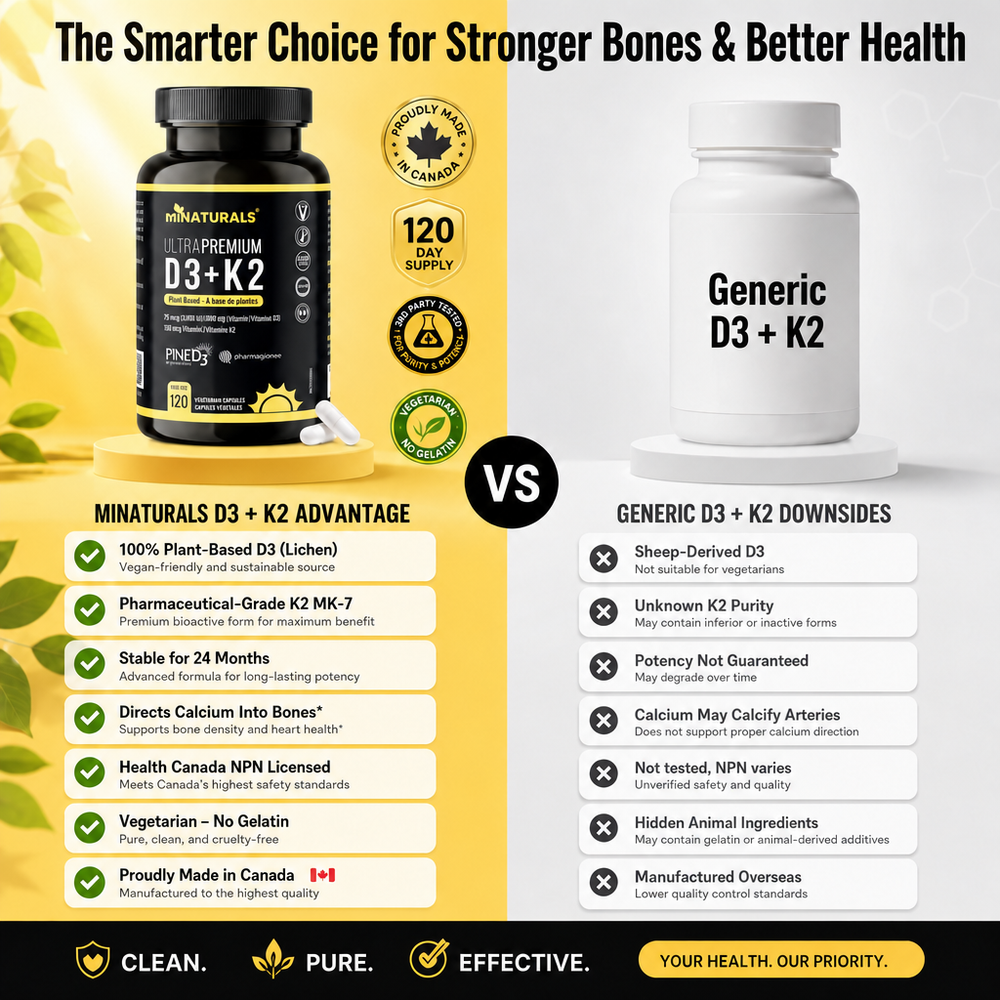
Premium formulations from companies like miNATURALS Nutrition Inc incorporate these evidence-based cofactors, creating synergistic blends that address the multifactorial nature of bone metabolism. Third-party testing and Health Canada licensing provide assurance regarding purity, potency, and absence of contaminants or unnecessary fillers.
Determining Appropriate Dosages: Personalization Over Generalization
Standard recommendations suggest 1,000-1,200 mg daily elemental calcium for women over 40, though individual requirements vary based on dietary intake, existing bone density, and concurrent medical conditions. For vitamin D3 supplements, Health Canada recommends 600-800 IU daily, yet mounting evidence suggests 1,000-2,000 IU may better serve optimal status maintenance, particularly during winter months.
Serum 25-hydroxyvitamin D testing offers definitive guidance. Target concentrations typically range between 75-125 nmol/L (30-50 ng/mL), though some researchers advocate for higher thresholds based on emerging data regarding immune function and chronic disease prevention.
Potential Risks of Excessive Supplementation
While vitamin D toxicity remains rare given its wide therapeutic window, excessive calcium intake may increase cardiovascular event risk and kidney stone formation. The tolerable upper limit sits at 2,500 mg daily for women under 50 and 2,000 mg thereafter. This threshold encompasses all sources—dietary plus supplemental—necessitating careful calculation.
Responsible supplementation respects biological limits while addressing genuine deficiencies. Periodic monitoring through laboratory assessment ensures interventions remain therapeutic rather than detrimental.
Practical Integration: Maximizing Absorption and Compliance
Strategic timing enhances supplement efficacy. Vitamin D3 supplements demonstrate optimal absorption when consumed with dietary fat, given the nutrient's lipophilic nature. Calcium absorption peaks at doses of 500 mg or less, suggesting divided dosing throughout the day rather than single large-quantity ingestion.
Consistency trumps perfection. Establishing a sustainable routine—perhaps pairing supplements with morning breakfast and evening dinner—creates habitual patterns that promote long-term adherence. For many, incorporating supplementation into existing rituals eliminates the cognitive burden of remembering isolated pill-taking.
Frequently Asked Questions About Vitamin D, D3, and Calcium Supplementation
Can I obtain sufficient vitamin D from food sources alone?
While fatty fish, egg yolks, and fortified dairy products contribute to vitamin D intake, achieving optimal levels through diet alone proves challenging for most individuals. A 3-ounce salmon serving provides approximately 450 IU—helpful but insufficient to meet daily requirements, particularly during extended winter months when cutaneous synthesis ceases.
Do calcium supplements interfere with other medications?
Calcium may impair absorption of certain antibiotics, thyroid medications, and bisphosphonates. Temporal separation—typically two to four hours—mitigates these interactions. Consulting healthcare providers ensures supplement regimens complement rather than compromise pharmaceutical therapies.
How long before I notice benefits from supplementation?
Biochemical changes occur within weeks, though subjective improvements in energy, mood, or muscular function may require one to three months. Bone density enhancements manifest over extended timeframes—typically six months to two years—reflecting the gradual nature of skeletal remodeling processes.
Making Informed Choices for Lifelong Skeletal Integrity
Understanding that vitamin D and vitamin D3 represent related yet distinct entities empowers informed decision-making. For Canadian women navigating the complexities of midlife health maintenance, selecting high-quality vitamin D3 supplements alongside the best calcium supplement formulation creates a foundational strategy for preserving bone strength, reducing fracture risk, and supporting systemic wellness.
Transparency regarding ingredient sourcing, manufacturing standards, and clinical validation distinguishes reputable supplement companies. Organizations like miNATURALS Nutrition Inc exemplify this commitment through GMP-certified production, third-party testing protocols, and Health Canada licensing—standards that transform supplements from questionable commodities into reliable therapeutic tools.
The journey toward optimal bone health requires neither complexity nor confusion. Armed with accurate information regarding vitamin D variants, calcium formulation differences, and synergistic cofactor benefits, you possess the knowledge necessary to construct a personalized supplementation strategy aligned with your unique physiological needs and health aspirations.