
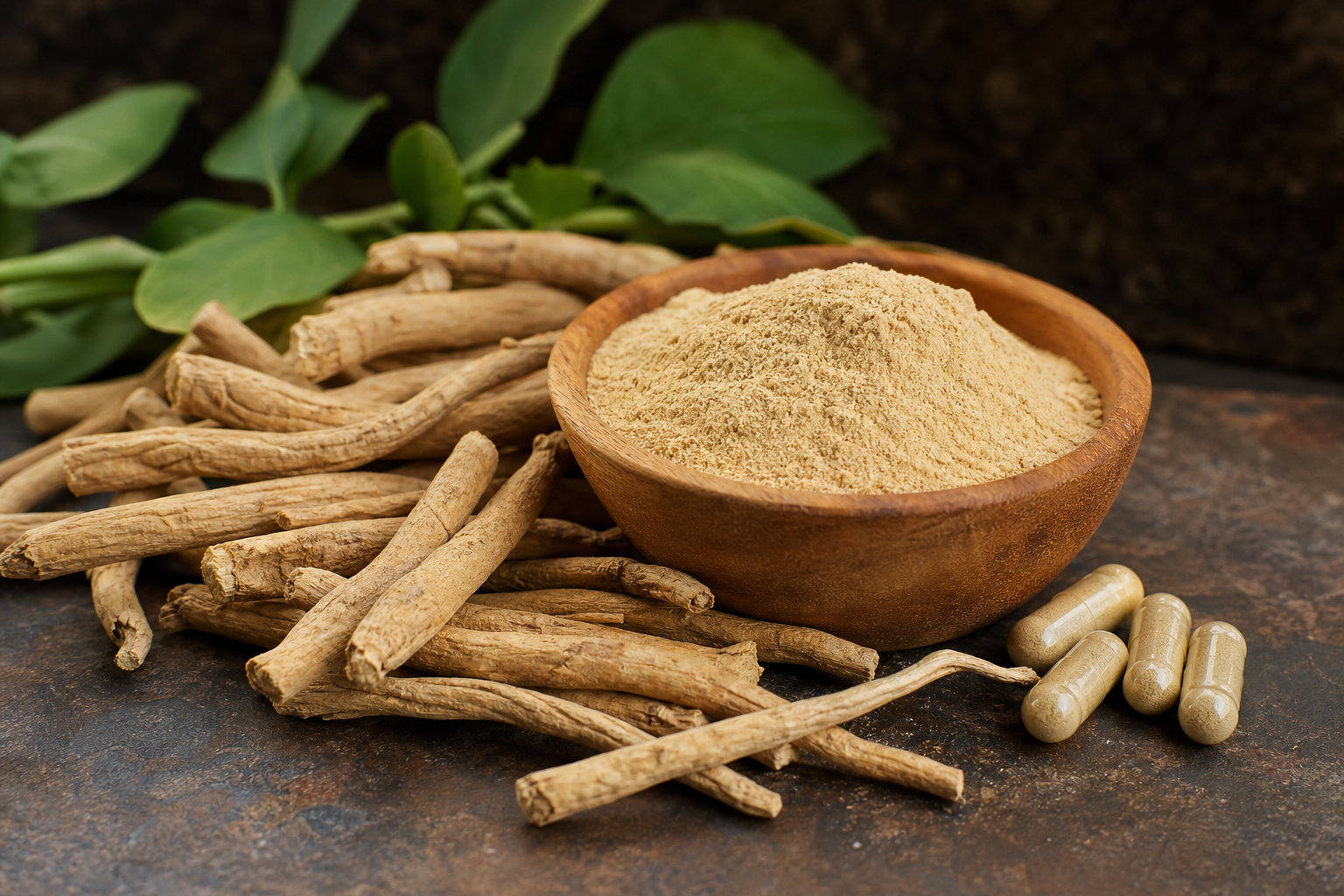
KSM-66 Ashwagandha for Testosterone: Clinical Evidence
When testosterone levels begin their inevitable decline after age 30, men face a consequential decision: pursue pharmaceutical intervention or explore evidence-based botanical alternatives. KSM-66 Ashwagandha has emerged as a rigorously studied adaptogen with compelling clinical data supporting its role in testosterone optimization. Unlike generic ashwagandha extracts flooding the market, KSM-66 represents a proprietary full-spectrum root extract standardized to withanolide content—the bioactive compounds responsible for its physiological effects.
Understanding the precise dosage protocols validated through clinical trials becomes paramount for men seeking measurable outcomes. This article dissects the peer-reviewed evidence, optimal dosing strategies, and mechanistic pathways through which this ancient herb modulates the hypothalamic-pituitary-gonadal axis.
What Makes KSM-66 Different from Standard Ashwagandha Extracts
The ashwagandha marketplace suffers from considerable heterogeneity in extraction methods and constituent profiles. KSM-66 distinguishes itself through a unique manufacturing process that preserves the natural ratios of withanolides, alkaloids, and sitoindosides found in the whole root. This full-spectrum approach contrasts sharply with leaf extracts or chemically-spiked formulations that artificially inflate withanolide percentages without maintaining synergistic cofactors.
Clinical researchers preferentially select KSM-66 for testosterone studies because its standardization to 5% withanolides ensures batch-to-batch consistency—a critical variable when establishing dose-response relationships. The extraction process employs milk during processing, which traditional Ayurvedic texts suggest enhances bioavailability of fat-soluble constituents. Third-party verification of heavy metals, microbial contamination, and withanolide content further separates this extract from commodity alternatives.
Clinical Evidence Supporting Testosterone Enhancement
Multiple randomized controlled trials have investigated KSM-66's impact on androgenic markers in various male populations. A landmark 2019 study published in the American Journal of Men's Health examined overweight men aged 40-70 undergoing resistance training. Subjects receiving 600 mg of KSM-66 daily demonstrated statistically significant increases in testosterone levels compared to placebo—approximately 17% elevation after eight weeks.
Perhaps more compelling, a study focusing on infertile men revealed that KSM-66 supplementation at 675 mg daily produced a 17% increase in testosterone alongside a 167% increase in sperm count over 90 days. These findings suggest the herb's influence extends beyond simple hormonal elevation to encompass fertility parameters and reproductive axis functionality.
Mechanism of Action: How KSM-66 Influences Hormonal Pathways
The testosterone-boosting effects of KSM-66 operate through multiple convergent mechanisms. Withanolides exhibit adaptogenic properties that attenuate cortisol—the catabolic stress hormone that inversely correlates with testosterone production. By modulating the hypothalamic-pituitary-adrenal axis, KSM-66 creates a more favorable hormonal milieu for androgen synthesis.
Additionally, research indicates withanolides may enhance luteinizing hormone secretion from the anterior pituitary, directly stimulating Leydig cells in the testes to increase testosterone production. Antioxidant properties protect testicular tissue from oxidative damage, while potential 5-alpha-reductase inhibition may preserve circulating testosterone by reducing conversion to dihydrotestosterone.
Evidence-Based Dosage Protocols for Testosterone Optimization
Clinical trials investigating testosterone enhancement have consistently employed KSM-66 dosages ranging from 600 mg to 675 mg daily, typically administered in divided doses. The most robust evidence supports 600 mg taken once daily or split into two 300 mg doses consumed with meals to enhance absorption of lipophilic compounds.
Duration of supplementation proves equally critical. Measurable testosterone increases typically manifest after 8-12 weeks of consistent use, with some studies documenting continued improvements through 16 weeks. This latency reflects ashwagandha's adaptogenic nature—gradual normalization of physiological processes rather than acute pharmaceutical stimulation.
Timing Considerations and Absorption Factors
While research protocols often administer KSM-66 without specific timing constraints, traditional Ayurvedic wisdom and modern pharmacokinetic principles suggest optimal strategies. Consuming doses with dietary fat enhances absorption of fat-soluble withanolides. Morning administration may capitalize on circadian testosterone rhythms, while evening doses could leverage ashwagandha's cortisol-lowering effects to improve sleep quality—a critical variable for testosterone synthesis.
A Research-Validated Formulation for Comprehensive Support
For men seeking a synergistic approach beyond isolated KSM-66 supplementation, miNATURALS Nutrition Inc has developed Ultra Premium TestoForce with Ashwagandha KSM-66. This formulation combines clinically dosed KSM-66 with complementary ingredients that support multiple pathways of testosterone optimization and male vitality.
The product addresses the multifactorial nature of declining testosterone by incorporating ingredients validated through independent research. Manufactured in GMP-certified facilities and third-party tested for purity, TestoForce provides the transparency and quality assurance that discerning consumers demand when evaluating natural testosterone support formulations.
By combining KSM-66 with synergistic botanicals and minerals, this formulation targets the comprehensive hormonal, metabolic, and psychological dimensions of male vitality that decline with age. Health Canada licensing ensures regulatory compliance and adherence to stringent safety standards.
Secondary Benefits Beyond Testosterone Enhancement
While testosterone optimization represents a primary motivation for KSM-66 supplementation, clinical evidence documents numerous ancillary benefits that contribute to overall male vitality. Studies demonstrate significant improvements in muscle strength and recovery, with resistance-trained men experiencing greater gains in bench press and leg extension strength compared to placebo groups.
Cognitive performance metrics also show enhancement, particularly executive function and memory consolidation. Given the bidirectional relationship between testosterone and cognitive health, these improvements may partially result from hormonal optimization alongside direct neuroprotective effects of withanolides.
Stress Reduction and Cortisol Modulation
KSM-66's classification as an adaptogen stems from robust evidence of cortisol reduction. A 60-day randomized controlled trial documented 27.9% reductions in serum cortisol among chronically stressed adults receiving 300 mg twice daily. This stress-buffering capacity holds particular relevance for testosterone optimization, given cortisol's antagonistic relationship with androgenic hormones.
Men experiencing psychological stress, sleep disruption, or overtraining syndrome may find KSM-66's dual action—simultaneously lowering cortisol while supporting testosterone—particularly valuable for restoring hormonal equilibrium.
Safety Profile and Contraindications
Extensive toxicological assessment and human clinical trials have established KSM-66's favorable safety profile at standard dosages. Adverse events reported in studies remain minimal and comparable to placebo groups, typically limited to mild gastrointestinal discomfort in sensitive individuals.
However, several contraindications warrant consideration:
- Thyroid hormone medication users should exercise caution, as ashwagandha may potentiate thyroid function
- Individuals with autoimmune conditions should consult healthcare providers given ashwagandha's immunomodulatory properties
- Concurrent use with sedative medications requires monitoring due to potential additive effects
- Those scheduled for surgery should discontinue use two weeks prior given theoretical concerns about anesthesia interactions
Pregnant and lactating women should avoid KSM-66 due to insufficient safety data in these populations.
Realistic Expectations and Individual Variability
While clinical trials document statistically significant testosterone increases, individual responses to KSM-66 demonstrate considerable heterogeneity. Baseline testosterone levels, age, lifestyle factors, stress burden, and genetic polymorphisms affecting withanolide metabolism all influence outcomes.
Men with profound hypogonadism secondary to medical conditions may experience modest benefits insufficient to restore normal ranges. KSM-66 functions as a supportive agent for optimizing natural production within physiological ranges rather than a pharmaceutical replacement for endogenous synthesis.
"Ashwagandha should be viewed as one component of a comprehensive strategy addressing sleep optimization, resistance training, nutritional adequacy, stress management, and metabolic health—not a standalone solution for hormonal decline."
Synergistic Compounds and Stacking Considerations
Research-driven men often inquire about combining KSM-66 with other evidence-based testosterone-supporting compounds. Tongkat Ali (Eurycoma longifolia) operates through complementary mechanisms, with studies showing enhanced luteinizing hormone secretion and improved free testosterone levels. The combination theoretically addresses both stress-axis optimization and direct gonadal stimulation.
Shilajit, a mineral-rich exudate, has demonstrated testosterone-enhancing properties in clinical trials, with one study documenting significant increases when combined with exercise. Mineral cofactors including zinc, magnesium, and boron support enzymatic processes involved in testosterone synthesis and may potentiate botanical interventions.
Vitamin D optimization proves foundational, given its role as a steroid hormone precursor and association with testosterone status. Ensuring adequate intake of these foundational nutrients creates a more favorable environment for KSM-66's effects to manifest.
Frequently Asked Questions
How long does KSM-66 take to increase testosterone?
Clinical trials typically document measurable testosterone increases after 8 weeks of consistent supplementation at 600-675 mg daily. Some individuals report subjective improvements in energy and recovery within 2-4 weeks, though objective hormonal changes require longer durations. Maximum benefits often emerge between 12-16 weeks of continuous use.
Can I cycle KSM-66 or should I take it continuously?
Unlike exogenous testosterone or prohormones that suppress natural production, KSM-66 supports endogenous synthesis without negative feedback inhibition. Clinical safety data extends through several months of continuous use without adverse effects or tolerance development. However, some practitioners recommend periodic breaks to assess baseline function and prevent physiological accommodation.
Will KSM-66 show up on hormone panels or drug tests?
KSM-66 does not contain anabolic steroids or prohibited substances tested in standard athletic drug screening. While it may elevate endogenous testosterone within physiological ranges, these increases remain distinguishable from exogenous administration on comprehensive hormone panels that measure testosterone-to-epitestosterone ratios.
The convergence of traditional Ayurvedic wisdom with modern clinical validation positions KSM-66 Ashwagandha as a compelling option for men seeking evidence-based alternatives to pharmaceutical testosterone intervention. When implemented at clinically validated dosages within a comprehensive health optimization framework, this standardized extract offers a safe, effective strategy for supporting hormonal vitality during the natural decline that accompanies aging.