

How to Prevent Vitamin K2 Deficiency in a Vegan Diet
Vitamin K2 remains one of the most overlooked micronutrients in plant-based nutrition, yet its deficiency can manifest in subtle yet consequential ways. For those adhering to a vegan diet, understanding the distinction between K1 and K2 variants becomes paramount, as the latter primarily concentrates in animal-derived foods and certain fermented preparations. The scarcity of bioavailable menaquinones in typical vegan fare necessitates strategic dietary planning and, often, targeted supplementation to maintain optimal physiological function.
The complexity of vitamin K2 metabolism reveals why plant-based eaters face elevated risk. While phylloquinone (K1) abounds in leafy greens, the conversion efficiency to menaquinone-7 (MK-7) and other K2 forms remains frustratingly limited in human physiology. This biochemical bottleneck creates a nutritional vulnerability that many vegans remain unaware of until symptomatic manifestations emerge.
Understanding Vitamin K2's Unique Role in Human Physiology
Vitamin K2 orchestrates calcium trafficking throughout the body, ensuring this essential mineral deposits in skeletal structures rather than accumulating in arterial walls or soft tissues. The carboxylation of specific proteins—osteocalcin in bones and matrix Gla-protein in vasculature—depends entirely on adequate K2 availability. Without sufficient menaquinones, these proteins remain undercarboxylated and functionally compromised.
The menaquinone family encompasses several subtypes, with MK-4 and MK-7 demonstrating the most pronounced biological activity. MK-7, characterized by its extended side chain, exhibits superior bioavailability and half-life compared to shorter-chain variants. This extended presence in circulation allows for more consistent activation of K2-dependent proteins across multiple tissue types.
Unlike its phylloquinone cousin, which concentrates in hepatic tissue, K2 distributes systemically to bones, vasculature, and extrahepatic tissues. This broader distribution pattern underscores why K2 deficiency impacts multiple organ systems simultaneously, from skeletal integrity to cardiovascular resilience.
Recognizing Vitamin K2 Deficiency Vegan Diet Symptoms
The clinical presentation of K2 insufficiency often unfolds insidiously, with early indicators easily dismissed or attributed to other factors. Vegan practitioners should maintain vigilance for constellation patterns rather than isolated symptoms.
Skeletal and Dental Manifestations
Reduced bone mineral density represents the most extensively documented consequence of prolonged K2 deficiency. The skeleton may exhibit increased fracture susceptibility despite adequate calcium and vitamin D intake. This paradox occurs because without K2, osteocalcin cannot effectively bind calcium ions and incorporate them into the bone matrix.
Dental health deteriorates in parallel, with increased cavity formation and enamel demineralization. The teeth serve as sensitive barometers of K2 status, as dentin and enamel formation require properly carboxylated matrix proteins. Some individuals report heightened tooth sensitivity or changes in dental structure that perplex their dentists.
Cardiovascular Warning Signs
Arterial calcification progresses silently when matrix Gla-protein remains undercarboxylated. While advanced imaging reveals calcium deposits in vessel walls, earlier symptoms may include elevated blood pressure readings or reduced vascular compliance. The insidious nature of vascular calcification means symptoms often emerge only after substantial pathological changes have occurred.
Some research suggests that chronic K2 deficiency may contribute to valvular calcification, though this typically manifests over decades rather than months. The cardiovascular system's dependence on K2 for calcium regulation cannot be overstated.
Metabolic and Inflammatory Indicators
Emerging research links K2 status to glucose metabolism and insulin sensitivity. Individuals may experience unexplained fluctuations in blood glucose control or increased inflammatory markers. The mechanistic pathways remain under investigation, but K2 appears to modulate inflammatory cytokines and metabolic signaling.
Unexplained bruising or prolonged bleeding time occasionally occurs, though overt coagulopathy remains rare given that K1 handles most clotting factor synthesis. Nevertheless, some K2-deficient individuals report minor hematological changes during routine bloodwork.
Why Vegans Face Elevated K2 Deficiency Risk
The vegan nutritional landscape presents inherent challenges for maintaining adequate K2 levels. Understanding these obstacles enables proactive mitigation strategies.
Limited Dietary Sources in Plant Foods
Menaquinones concentrate predominantly in animal products—particularly organ meats, egg yolks, and certain cheeses—all absent from vegan protocols. The few plant-based K2 sources include natto (fermented soybeans), sauerkraut, and other fermented vegetables, yet their consumption remains uncommon in Western vegan diets.
Natto stands as the most concentrated vegan K2 source, providing exceptional quantities of MK-7. However, its distinctive texture and pungent flavor profile limit acceptance among those unaccustomed to traditional Japanese cuisine. A mere tablespoon delivers several hundred micrograms of highly bioavailable MK-7.
Inefficient K1 to K2 Conversion
The human intestinal microbiome possesses limited capacity to convert phylloquinone into menaquinones. While certain bacterial species synthesize K2 in the colon, absorption efficiency from this source remains questionable. The anatomical positioning of bacterial K2 synthesis occurs downstream from primary nutrient absorption sites in the small intestine.
Individual variation in gut microbiome composition further compounds this issue. Antibiotic exposure, dietary fiber intake, and gastrointestinal health all influence the microbial synthesis of K2, creating unpredictable variability in endogenous production.
Strategic Dietary Approaches for Vegan K2 Optimization
Preventing deficiency requires intentional incorporation of K2-rich foods and optimization of conversion pathways.
Fermented Food Integration
Regular consumption of properly fermented vegetables provides modest but meaningful K2 quantities. Traditional fermentation processes employing specific bacterial strains enhance menaquinone content substantially. Homemade sauerkraut, kimchi, and fermented vegetables should become dietary staples rather than occasional accompaniments.
Quality matters tremendously. Commercially pasteurized products contain negligible live cultures and reduced K2 content. Seeking unpasteurized, refrigerated fermented foods ensures maximal nutrient preservation and probiotic benefits.
Natto: The Vegan K2 Powerhouse
For those willing to acquire the taste, natto represents the most concentrated whole-food K2 source available to vegans. Starting with small portions mixed into other dishes can facilitate gradual palate adaptation. Some blend it into savory rice bowls or incorporate it into miso-based preparations to moderate its intensity.
A single 100-gram serving of natto provides approximately 1,000 micrograms of MK-7—far exceeding recommended intake levels and demonstrating remarkable nutritional density.
Optimizing Gut Microbiome for K2 Synthesis
Supporting beneficial bacterial populations through prebiotic fiber intake may enhance endogenous K2 production. Resistant starches, inulin-rich foods, and diverse polyphenol sources nourish specific bacterial strains capable of menaquinone synthesis.
Minimizing antibiotic use when medically appropriate, managing stress levels, and consuming fermented foods all contribute to microbiome resilience. While endogenous production alone proves insufficient, optimizing this pathway contributes to overall K2 status.
Supplementation Strategies for Vegan K2 Adequacy
Given dietary limitations, strategic supplementation often becomes necessary for vegans seeking optimal K2 status.
Selecting Appropriate Supplement Forms
MK-7 supplements derived from natto fermentation offer vegan-friendly, highly bioavailable options. These products typically provide between 100-200 micrograms per serving, amounts supported by clinical research for bone and cardiovascular health.
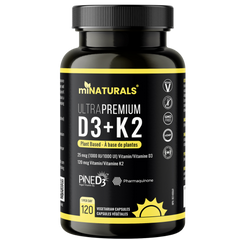
Quality indicators include third-party testing certifications, transparent sourcing information, and manufacturing in GMP-certified facilities. Companies like miNATURALS Nutrition Inc exemplify the transparency and quality standards health-conscious consumers should prioritize—offering products licensed by Health Canada with validated ingredients and no unnecessary fillers.
Dosing Considerations and Timing
Research suggests 90-180 micrograms daily of MK-7 supports optimal carboxylation of K2-dependent proteins. Higher doses demonstrate safety in clinical trials, though exceeding research-validated ranges offers no clear additional benefit.
Fat-soluble vitamin absorption improves significantly when consumed with dietary fat. Taking K2 supplements alongside meals containing nuts, seeds, avocado, or oils enhances bioavailability substantially compared to isolated consumption.
Synergistic Nutrient Partnerships
Vitamin K2 functions synergistically with vitamin D3 and calcium in skeletal metabolism. D3 stimulates osteocalcin production, while K2 activates this protein through carboxylation. Calcium serves as the mineral substrate requiring proper trafficking.
This triumvirate operates interdependently; optimizing one while neglecting others creates metabolic imbalances. Comprehensive supplementation protocols address all three nutrients proportionally, alongside magnesium for additional support of bone mineralization pathways.
| Nutrient | Recommended Daily Intake | Role in K2 Function |
|---|---|---|
| Vitamin K2 (MK-7) | 90-180 mcg | Activates calcium-binding proteins |
| Vitamin D3 | 2,000-4,000 IU | Stimulates protein production |
| Calcium | 1,000-1,200 mg | Mineral substrate for bone formation |
| Magnesium | 310-420 mg | Cofactor for vitamin D activation |
Monitoring and Assessment of K2 Status
Unlike many vitamins, direct measurement of K2 levels presents technical challenges. Most clinical laboratories lack specialized assays for menaquinone quantification.
Indirect Biomarkers of K2 Sufficiency
Undercarboxylated osteocalcin (ucOC) serves as the most validated indirect marker of K2 status. Elevated ucOC indicates insufficient K2 availability for complete protein carboxylation. Some specialized laboratories offer this test, though availability remains limited outside research settings.
Bone mineral density scans (DEXA) provide useful longitudinal data, particularly for individuals at fracture risk. Stable or improving density measurements suggest adequate calcium metabolism, though they cannot isolate K2's specific contribution.
Clinical Symptom Tracking
Maintaining awareness of symptomatic patterns offers practical guidance. Improvement in dental health, stable bone density, and optimal cardiovascular markers collectively suggest adequate K2 status, even absent direct measurement.
Working with healthcare providers familiar with vegan nutrition ensures appropriate monitoring intervals and interpretation of available biomarkers. Proactive assessment prevents advanced deficiency states requiring more intensive intervention.
Integrating K2 into Comprehensive Vegan Wellness
K2 optimization represents one component of thoughtful plant-based nutrition. The broader context includes attention to potentially limiting nutrients and evidence-based supplementation.
Holistic Nutritional Framework
Vegans should approach nutrition systematically, addressing known vulnerability points: B12, iron, zinc, omega-3 fatty acids, and now K2. This comprehensive perspective prevents myopic focus on single nutrients while neglecting others.
Quality supplement companies understand this interconnected approach. Brands offering comprehensive formulations with clinically backed ingredients, transparent manufacturing, and rigorous testing—like those developed by miNATURALS Nutrition Inc—support consumers in achieving complete nutritional adequacy without navigating dozens of individual products.
Lifestyle Factors Influencing K2 Metabolism
Weight-bearing exercise stimulates bone remodeling and may enhance K2 utilization in skeletal tissue. Regular resistance training and impact activities complement nutritional optimization by creating mechanical stimulus for bone formation.
Adequate sleep supports metabolic processes including vitamin metabolism. Chronic sleep deprivation disrupts numerous physiological pathways, potentially compromising nutrient utilization efficiency.
Common Questions About Vegan K2 Nutrition
Can I Meet K2 Needs Through Diet Alone as a Vegan?
Theoretically possible through daily natto consumption, practical adherence proves challenging for most Western vegans. The distinctive sensory properties of natto limit its palatability for those outside Japanese culinary traditions. Supplementation offers reliable, accessible insurance against deficiency.
How Long Does It Take to Correct K2 Deficiency?
Biochemical markers typically respond within weeks to months of adequate intake. Bone mineral density improvements require longer timeframes—six months to two years—given the gradual nature of skeletal remodeling. Consistency matters more than acute loading doses.
Are There Risks of Excessive K2 Intake?
Vitamin K2 demonstrates remarkable safety across wide dosing ranges. No established upper intake limit exists because toxicity has not been documented even at doses exceeding therapeutic recommendations manyfold. Unlike fat-soluble vitamins A and D, K2 toxicity remains essentially theoretical rather than clinically relevant.
Does Cooking Destroy K2 in Foods?
Vitamin K2 exhibits relative heat stability, though prolonged high-temperature exposure may reduce content modestly. Fermented foods typically consumed raw or minimally heated preserve their menaquinone content effectively. Gentle preparation methods optimize nutrient retention across all vitamins.
The Future of K2 Research and Vegan Nutrition
Emerging investigations continue elucidating K2's diverse physiological roles beyond bone and cardiovascular health. Preliminary evidence suggests involvement in cognitive function, glucose metabolism, and even athletic performance, though these areas require additional rigorous study.
For the health-conscious vegan population—those seeking evidence-based approaches with clinically validated ingredients—staying informed about evolving K2 research enables continual refinement of nutritional strategies. Companies committed to transparency and scientific rigor will incorporate new findings into product formulations as evidence solidifies.
The intersection of plant-based eating and optimal nutrition demands both nutritional knowledge and practical implementation. By recognizing vitamin K2 deficiency vegan diet symptoms early, incorporating strategic food choices, and utilizing quality supplements when necessary, vegans can achieve comprehensive nutritional adequacy supporting vitality, longevity, and performance.
Prevention always surpasses remediation in efficiency and outcomes. Addressing K2 status proactively—before symptomatic manifestations emerge—represents wise stewardship of long-term health for those committed to plant-based living.