
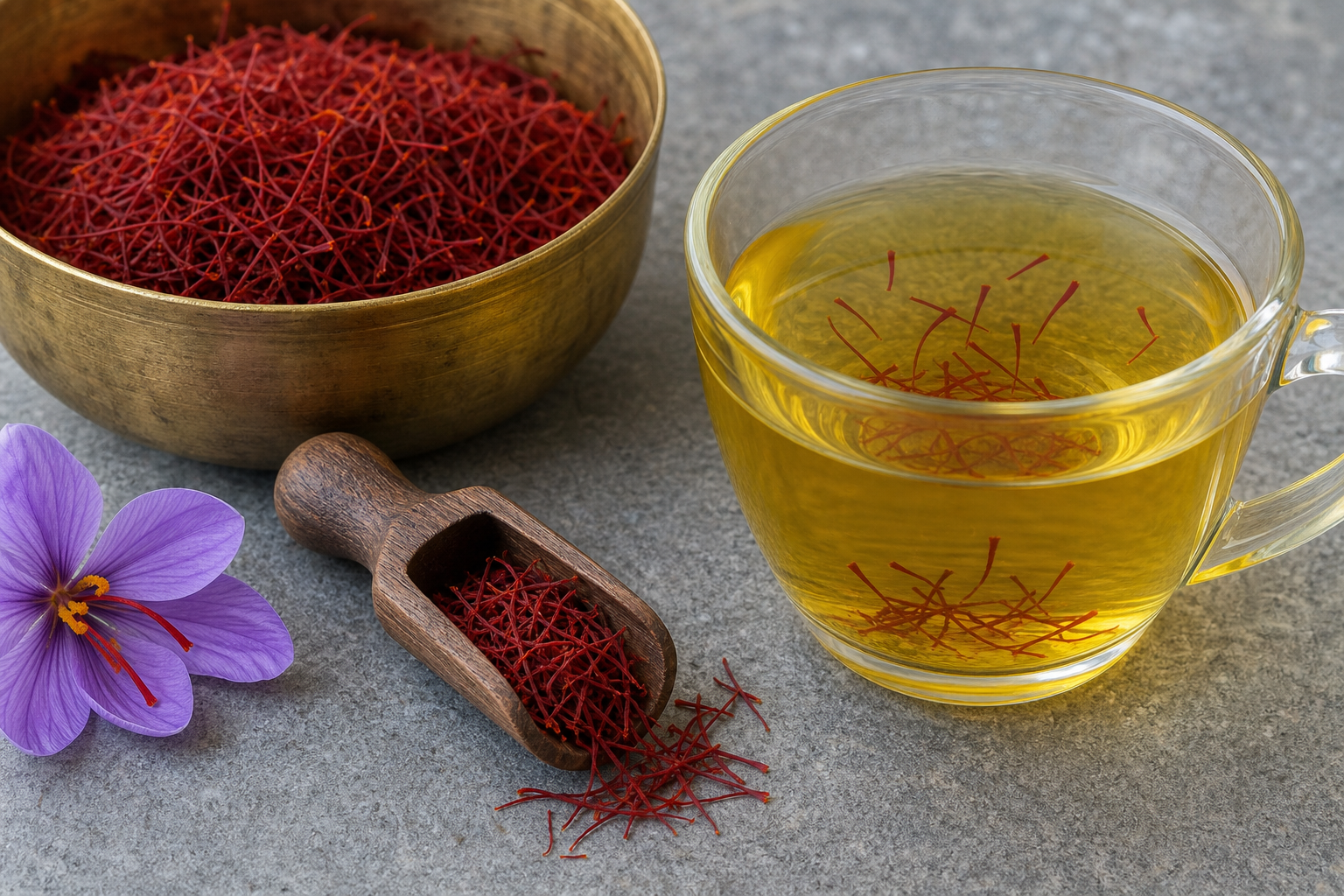
How Much Saffron Per Day? Your Complete Dosage Guide
Saffron, the crimson-hued spice derived from the Crocus sativus flower, has transcended its culinary legacy to emerge as a potent wellness ally. For centuries, traditional medicine systems have revered its therapeutic properties, and contemporary scientific inquiry now validates many of these ancestral claims. Yet, as with any bioactive supplement, the question of optimal intake remains paramount. Understanding the appropriate quantity ensures you harness saffron's benefits while maintaining safety parameters.
The delicate threads of this precious spice contain over 150 volatile compounds, including crocin, safranal, and picrocrocin—the triumvirate responsible for its distinctive color, aroma, and flavor. These constituents also underpin saffron's documented effects on mood regulation, cognitive function, and metabolic health. However, dosage precision separates therapeutic efficacy from potential adversity.
Understanding Saffron Dosage Fundamentals
Establishing appropriate saffron consumption requires consideration of multiple variables, including form, purity, and intended application. Clinical investigations have explored dosage ranges spanning 20 to 400 milligrams daily, with most therapeutic interventions clustering between 30 and 50 milligrams. This modest quantity reflects saffron's remarkable potency—a characteristic that demands respect and measured administration.
The bioavailability of saffron's active compounds varies considerably based on preparation methodology. Standardized extracts typically concentrate crocin and safranal, allowing for more predictable outcomes compared to raw stigmas. When selecting a supplement, verification of constituent concentrations becomes essential for dosage accuracy.
Different Forms and Their Equivalencies
Saffron manifests in several consumable formats, each with distinct dosage considerations. Whole threads, powder, tinctures, and encapsulated extracts each deliver the spice's constituents differently. A standardized capsule containing 30 milligrams of extract may correlate to approximately 300 milligrams of raw saffron threads, though direct equivalencies remain imprecise due to variability in natural specimens.
Liquid preparations and teas present additional complexity, as steeping duration and temperature influence compound extraction. For culinary applications, the quantity used typically falls below therapeutic thresholds, making traditional cooking with saffron distinct from supplementation protocols.
Recommended Dosage for Common Applications
Scientific literature delineates specific dosage parameters for various health objectives. These evidence-based recommendations provide a framework for safe, effective utilization.
Mood Support and Emotional Wellness
Research examining saffron's influence on mood disturbances consistently employs 30 milligrams daily, administered in two divided doses. Multiple randomized controlled trials have demonstrated this quantity's efficacy in supporting emotional balance, with effects becoming apparent after four to six weeks of consistent intake. The mechanism involves modulation of neurotransmitter systems, particularly serotonin and dopamine pathways.
A systematic review analyzing eight clinical trials concluded that 30 mg daily of saffron extract demonstrated comparable efficacy to conventional interventions for mild to moderate mood concerns, with superior tolerability profiles.
Cognitive Function and Memory Enhancement
For cognitive support, particularly relevant for mature adults experiencing age-related changes, studies have validated dosages between 30 and 50 milligrams daily. The antioxidant properties of crocin appear to confer neuroprotective benefits, potentially mitigating oxidative stress that accumulates in neural tissues.
Metabolic and Weight Management Support
Investigations into saffron's role in appetite regulation and metabolic parameters have utilized 30 milligrams twice daily, totaling 60 milligrams. This dosage appears to influence satiety signaling and may reduce frequency of between-meal snacking. For women over 40 navigating hormonal transitions that affect weight distribution, this application holds particular relevance.
A Clinically-Validated Canadian Option
For Canadian consumers seeking quality assurance and regulatory compliance, miNATURALS Nutrition Inc offers a saffron supplement formulated to exacting standards. Their product delivers a standardized dose designed for optimal therapeutic benefit while maintaining the safety parameters established through clinical research.
Manufactured in GMP-certified facilities and subjected to rigorous third-party testing, this formulation addresses common concerns about supplement purity and potency. The Health Canada licensing provides additional confidence for those prioritizing regulatory oversight. Each capsule contains precisely measured saffron extract, eliminating the guesswork associated with raw threads or inconsistent preparations.
For women over 40 managing multiple wellness priorities—from mood fluctuations associated with hormonal shifts to cognitive clarity and metabolic challenges—a standardized saffron supplement offers targeted support. The transparency regarding ingredient sourcing and manufacturing processes aligns with informed consumer expectations, particularly for those already incorporating essential nutrients like vitamin D into their regimens.
Safety Considerations and Upper Limits
While saffron demonstrates impressive safety margins at therapeutic dosages, excessive intake invites potential complications. Quantities exceeding 5 grams may produce toxic effects, though such amounts far surpass any reasonable supplementation protocol. Even at lower excessive doses—above 400 milligrams daily—some individuals report adverse effects including dizziness, nausea, or headaches.
Pregnant individuals should exercise particular caution, as high saffron doses may stimulate uterine contractions. Conservative recommendations suggest avoiding supplemental quantities during gestation, though culinary amounts pose minimal risk.
Medication Interactions to Monitor
Saffron's influence on neurotransmitter systems necessitates awareness of potential interactions with pharmaceutical agents affecting mood regulation. Concurrent use with certain medications may require professional oversight. Additionally, saffron exhibits mild anticoagulant properties, warranting consideration for those taking blood-thinning medications.
Individuals with bipolar spectrum conditions should consult healthcare providers before initiating saffron supplementation, as its mood-elevating properties require careful integration with existing treatment protocols.
Optimizing Absorption and Efficacy
Maximizing saffron's therapeutic potential extends beyond mere dosage to encompass timing and complementary factors. Consuming saffron with meals containing moderate fat content may enhance absorption of its lipophilic compounds. Dividing daily intake into two administrations—morning and evening—maintains more consistent blood levels of active constituents.
Consistency proves crucial, as saffron's effects accumulate gradually rather than manifesting immediately. A minimum commitment of four to six weeks allows adequate time for observable benefits to emerge. Patience during this acclimation period prevents premature discontinuation before therapeutic thresholds are achieved.
Adjusting Dosage for Individual Needs
Personalization represents the apex of supplementation strategy. While population-based recommendations provide starting points, individual variability in metabolism, body composition, and health status may necessitate adjustments. Beginning with lower dosages—perhaps 15 to 20 milligrams—allows assessment of individual tolerance before escalating to standard therapeutic levels.
For those over 40, particularly women experiencing perimenopause or postmenopausal changes, response to saffron may differ from younger populations. The interplay between declining estrogen levels and saffron's phytocompounds creates unique considerations that merit attentive observation.
When to Adjust or Discontinue
Monitoring subjective responses guides appropriate dosage refinement. If desired outcomes manifest at lower quantities, escalation proves unnecessary. Conversely, absence of benefits after eight weeks at standard doses may warrant modest increases, provided upper safety limits remain respected.
Discontinuation becomes prudent if adverse effects emerge or if saffron interacts unfavorably with other interventions. Cycling protocols—utilizing saffron for defined periods followed by breaks—represent another strategic approach, though continuous use within recommended parameters demonstrates safety in long-term studies.
Quality Markers That Influence Effective Dosage
Not all saffron products deliver equivalent therapeutic value. Adulteration, improper storage, and inferior sourcing compromise potency, effectively reducing the active dose despite label claims. Geographic origin influences constituent profiles, with Iranian and Spanish varieties demonstrating particularly robust crocin concentrations.
Third-party testing certifications, particularly those verifying absence of heavy metals and microbial contaminants, distinguish premium offerings from questionable alternatives. For Canadian consumers, Health Canada licensure provides regulatory assurance that manufacturing and labeling claims meet governmental standards—a distinction not universally available across international suppliers.
| Quality Factor | Impact on Dosage Accuracy | Verification Method |
|---|---|---|
| Standardized Extract | Ensures consistent crocin/safranal levels | Certificate of Analysis |
| GMP Manufacturing | Confirms contamination-free processing | Facility Certification |
| Third-Party Testing | Validates label accuracy | Independent Lab Reports |
| Proper Storage | Maintains compound stability | Light-resistant, sealed packaging |
Frequently Asked Questions About Saffron Dosage
Can I Take Saffron Long-Term?
Clinical trials have evaluated saffron supplementation for durations extending to twelve months without significant adverse effects at standard dosages. Long-term safety appears favorable, though periodic reassessment with healthcare providers remains prudent, particularly when combining multiple supplements or medications.
Does Timing of Consumption Matter?
Morning administration may capitalize on circadian influences affecting mood and cognitive function, while evening doses might support relaxation. Splitting total daily intake into two servings maintains more stable constituent levels throughout the diurnal cycle. Individual schedules and responses should ultimately dictate timing preferences.
How Quickly Can I Expect Results?
Unlike stimulants that produce immediate effects, saffron operates through gradual biochemical modulation. Most individuals notice initial changes within two to four weeks, with optimal benefits materializing after six to eight weeks of consistent use. This latency period reflects saffron's mechanism of action, which involves cumulative neurochemical adjustments rather than acute interventions.
Can I Use Culinary Saffron Instead of Supplements?
While cooking with saffron threads contributes beneficial compounds, achieving therapeutic dosages through culinary use alone presents practical challenges. A pinch used in recipes typically contains 20-30 milligrams—at the lower end of therapeutic ranges. Supplements offer concentration and convenience that culinary applications cannot match for wellness objectives.
Final Considerations for Canadian Wellness Seekers
Navigating the supplement landscape demands discernment, particularly for mature women balancing multiple health priorities. Saffron represents a research-validated addition to comprehensive wellness strategies, complementing foundational nutrients like vitamin D that many Canadian women already recognize as essential for optimal health.
The appropriate saffron dosage—typically 30 milligrams daily for most applications—strikes a balance between efficacy and safety. Selecting products from reputable manufacturers that prioritize transparency, testing, and regulatory compliance transforms theoretical benefits into practical outcomes. As with any supplementation decision, integration with existing health practices and consultation with knowledgeable professionals optimizes results while minimizing risks.
By understanding dosage fundamentals, quality markers, and individual response patterns, you position yourself to harness saffron's remarkable properties effectively. This ancient spice, now validated by modern science, offers a botanical pathway to supporting mood, cognition, and metabolic wellness—provided it's administered with the respect its potency commands.