How to Use Saffron for Anxiety: A Step-by-Step Protocol
Anxiety has become an increasingly prevalent concern for many individuals navigating the complexities of modern life. While pharmaceutical interventions remain a common approach, a growing number of people are exploring botanical alternatives that offer therapeutic benefits without the potential drawbacks of synthetic medications. Among these natural remedies, saffron—the crimson threads harvested from Crocus sativus—has emerged as a compelling option backed by scientific investigation.
Research demonstrates that saffron possesses anxiolytic properties comparable to certain conventional treatments, making it a valuable addition to holistic wellness strategies. This golden-hued spice contains bioactive constituents including crocin, safranal, and picrocrocin, which modulate neurotransmitter systems associated with mood regulation. Understanding how to use saffron for anxiety requires knowledge of proper dosing protocols, quality considerations, and integration methods that maximize its therapeutic potential.
Understanding Saffron's Mechanisms for Anxiety Relief
The neurobiological activity of saffron extends beyond mere folklore. Clinical investigations reveal that its active compounds influence serotonergic, dopaminergic, and glutamatergic pathways—the same systems targeted by many pharmaceutical anxiolytics. Crocin, one of saffron's primary carotenoids, exhibits neuroprotective effects while modulating the hypothalamic-pituitary-adrenal axis, which governs stress responses.
Safranal, the volatile compound responsible for saffron's distinctive aroma, demonstrates GABAergic activity. This interaction with gamma-aminobutyric acid receptors produces calming effects similar to benzodiazepines but without the dependency risks or cognitive impairment. Additionally, saffron's antioxidant capacity combats oxidative stress, a physiological factor frequently implicated in anxiety disorders.
For Canadian women over 40, hormonal fluctuations during perimenopause and menopause can exacerbate anxiety symptoms. Saffron's multi-targeted approach addresses both neurochemical imbalances and inflammatory processes that may intensify during this transitional period, offering comprehensive support rather than singular pathway intervention.
Selecting High-Quality Saffron Supplements
Not all saffron products deliver equivalent therapeutic outcomes. The efficacy of saffron supplementation depends critically on sourcing, standardization, and manufacturing integrity. When evaluating products, prioritize those containing standardized extracts with verified concentrations of active constituents—specifically crocin and safranal.
Quality Indicators to Consider
Authentic saffron supplements should originate from reputable cultivars, with Iranian and Spanish varieties typically offering superior phytochemical profiles. Third-party testing validates purity and potency while confirming the absence of adulterants, which unfortunately pervade the saffron market due to its substantial commercial value.
Products manufactured in GMP-certified facilities adhere to stringent quality protocols that ensure consistency across batches. For Canadian consumers, supplements bearing Health Canada licensing provide additional assurance regarding safety standards and regulatory compliance. Companies like miNATURALS Nutrition Inc exemplify this commitment through transparent testing procedures and research-validated formulations devoid of unnecessary fillers.
The distinction between culinary-grade saffron and therapeutic supplements lies in standardization—clinical studies utilize extracts with precisely quantified bioactive compounds, ensuring reproducible anxiolytic effects.
Step-by-Step Protocol for Using Saffron
Implementing saffron for anxiety management requires methodical adherence to evidence-based dosing strategies. The following protocol synthesizes clinical research findings with practical application guidelines.
Determining Your Optimal Dosage
Clinical trials examining saffron's anxiolytic properties typically employ doses ranging from 30 to 50 milligrams daily of standardized extract. This therapeutic window has demonstrated efficacy across multiple studies without significant adverse effects. Begin with a conservative 30-milligram dose taken once daily, preferably with morning meals to establish baseline tolerance.
After two weeks of consistent use, assess your symptom response. Some individuals experience noticeable improvements within this timeframe, while others require four to six weeks before observing substantial anxiety reduction. If initial benefits appear modest, consider incrementally increasing to 50 milligrams daily, divided into two 25-milligram doses—morning and early evening.
Timing and Administration Methods
Consistency supersedes timing when establishing saffron supplementation. However, certain considerations optimize absorption and therapeutic impact:
- Consume saffron with meals containing healthy fats to enhance bioavailability of fat-soluble carotenoids
- Avoid taking saffron immediately before bedtime initially, as some individuals report mild stimulatory effects
- Maintain regular scheduling to establish stable blood concentrations of active compounds
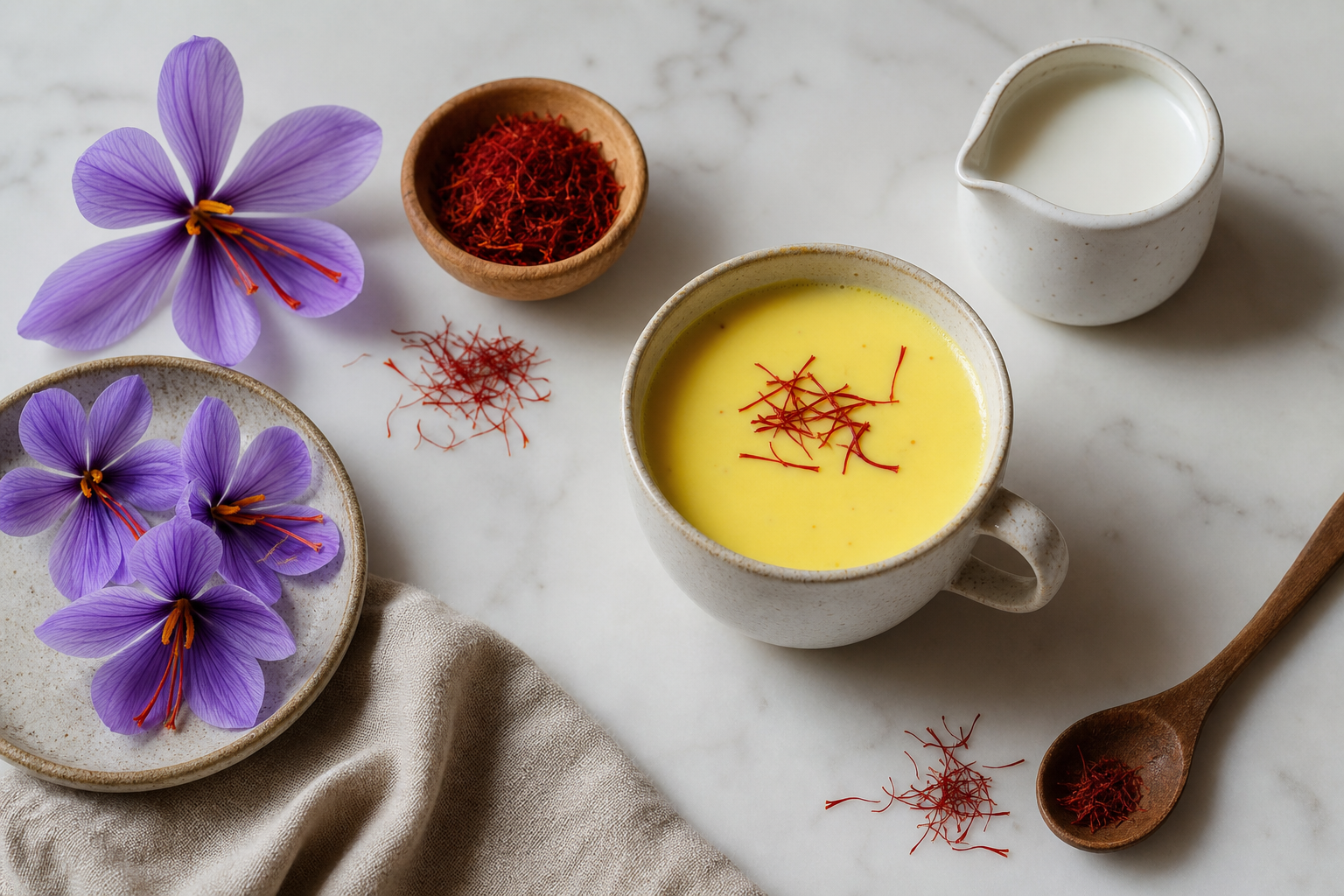
- If using saffron tea prepared from threads, steep 5-7 threads in hot water for 10-15 minutes
Capsules and tablets offer convenience and precise dosing, while liquid extracts provide flexibility for those who prefer adjustable amounts or have difficulty swallowing pills. Regardless of format, ensure your chosen delivery method contains standardized extracts rather than ground saffron threads alone, which provide inconsistent phytochemical content.
Duration and Expectations
Unlike fast-acting anxiolytics that produce immediate effects, saffron's benefits accumulate gradually through sustained use. Establish a minimum trial period of six weeks before evaluating overall efficacy. This duration allows for neurochemical adaptations and steady-state concentrations of bioactive metabolites.
Document your anxiety symptoms using a simple journal or validated assessment tool like the Generalized Anxiety Disorder-7 scale. Recording baseline measurements and weekly observations provides objective data for determining whether saffron supplementation meaningfully impacts your wellbeing.
Complementary Strategies to Enhance Results
Saffron functions most effectively within a comprehensive wellness framework rather than as an isolated intervention. Synergistic approaches amplify its anxiolytic properties while addressing multiple dimensions of mental health.
Nutritional foundations significantly influence anxiety manifestations. Ensure adequate intake of magnesium, omega-3 fatty acids, and B-complex vitamins—nutrients frequently deficient in women over 40 and essential for neurotransmitter synthesis. For Canadian women facing limited sun exposure during winter months, maintaining optimal vitamin D levels through supplementation becomes particularly crucial, as deficiency correlates with increased anxiety prevalence.
Incorporate stress-modulation practices including breathwork, progressive muscle relaxation, or mindfulness meditation. These techniques potentiate saffron's GABAergic effects by activating parasympathetic nervous system responses. Even brief daily sessions—ten minutes of focused breathing—can substantially reduce baseline anxiety levels when combined with botanical support.
Safety Considerations and Contraindications
Saffron demonstrates remarkable safety across clinical investigations, with adverse effects reported rarely and typically limited to mild gastrointestinal discomfort. However, certain circumstances warrant caution or medical consultation before initiating supplementation.
| Consideration | Recommendation |
|---|---|
| Pregnancy and lactation | Avoid high-dose supplementation; consult healthcare provider |
| Bipolar disorder | Use cautiously; may influence mood cycling |
| Medication interactions | Discuss with physician if taking antidepressants or blood pressure medications |
| Upcoming surgery | Discontinue 2 weeks prior due to potential blood-thinning effects |
Doses exceeding 1.5 grams daily may produce toxicity symptoms, though this amount vastly exceeds therapeutic recommendations. Responsible supplementation within established clinical parameters carries minimal risk for most individuals.
Monitoring Your Progress and Adjusting Approach
Effective anxiety management requires ongoing assessment and protocol refinement. Beyond subjective improvements in emotional wellbeing, observe changes in sleep quality, social engagement, and physical tension patterns. These secondary indicators often reflect anxiety reduction before conscious awareness registers decreased worry.
If saffron supplementation yields insufficient benefits after eight weeks at optimal dosing, consider evaluating additional factors. Chronic inflammation, undiagnosed nutrient deficiencies, or underlying medical conditions may impede therapeutic response. Collaborating with healthcare practitioners who embrace integrative approaches ensures comprehensive evaluation when botanical interventions alone prove inadequate.
Conversely, once anxiety symptoms stabilize at manageable levels for several consecutive months, some individuals successfully reduce saffron dosage or transition to intermittent use. This graduated approach prevents unnecessary long-term supplementation while maintaining therapeutic gains through periodic reinforcement.
Frequently Asked Questions About Saffron for Anxiety
Can I Use Culinary Saffron Instead of Supplements?
While culinary saffron contains the same bioactive compounds, achieving therapeutic doses through cooking alone proves impractical and expensive. The saffron threads used in recipes provide inconsistent amounts of crocin and safranal, making it difficult to replicate the standardized concentrations employed in clinical research. Supplements offer concentrated, measurable doses that ensure consistent therapeutic effects.
How Does Saffron Compare to Prescription Anxiety Medications?
Several studies have directly compared saffron extracts to pharmaceutical anxiolytics, revealing comparable efficacy with superior tolerability profiles. Saffron does not produce dependency, withdrawal symptoms, or cognitive dulling associated with some conventional medications. However, severe anxiety disorders may require pharmaceutical intervention, and saffron should complement rather than replace prescribed treatments without medical supervision.
Will Saffron Interact With My Current Supplements?
Saffron generally exhibits minimal interactions with common nutritional supplements. However, combining multiple mood-supporting botanicals—such as St. John's Wort, 5-HTP, or high-dose SAMe—may theoretically produce excessive serotonergic activity. When incorporating saffron into existing supplement regimens, introduce it individually rather than simultaneously with other new products to isolate any adverse responses.
The journey toward anxiety management through botanical support requires patience, consistency, and informed decision-making. Saffron represents a scientifically substantiated option for individuals seeking natural alternatives or complementary approaches to conventional treatments. By following evidence-based protocols and selecting high-quality products from reputable manufacturers committed to transparency and testing standards, you position yourself for optimal therapeutic outcomes.
Canadian women navigating the intersecting challenges of hormonal transitions and increased anxiety during midlife deserve access to safe, effective interventions that honor both traditional wisdom and modern research. Saffron embodies this integration—a centuries-old remedy validated by contemporary clinical investigation and made accessible through conscientious supplementation practices.